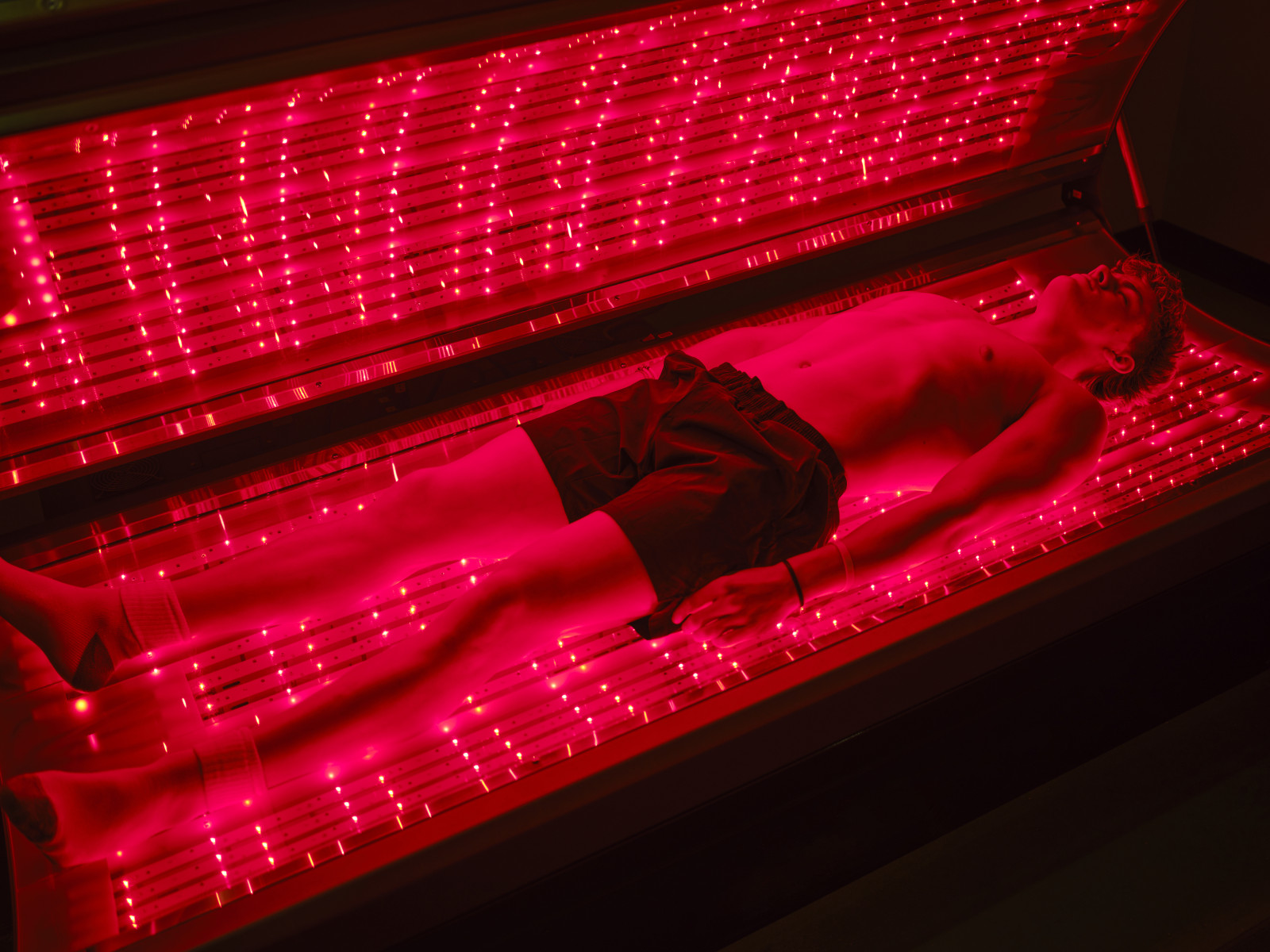
Hidden sunbed danger warning
People flocking to sunbeds in search of the perfect tan could be exposing themselves to a hidden health threat far beyond skin cancer, according to a comprehensive .
The University of Manchester clinician scientists found that indoor tanning can trigger serious and sometimes debilitating skin reactions when ultraviolet (UV) radiation interacts with common medicines, foods, cosmetics and underlying health conditions.
The team are also based within the National Institute for Health and Care Research (NIHR) Manchester Biomedical Research Centre (BRC) and Northen Care Alliance NHS Foundation Trust.
The review revealed cases ranging from painful blistering disorders and severe rashes to flare-ups of autoimmune diseases and allergy-like reactions occurring within minutes of UV exposure.
Some patients became so ill they required hospital treatment, specialist care and, in a small number of cases, surgery.
The researchers analysed 34 scientific studies published up to May 2025 and identified 67 documented cases of photosensitivity reactions linked to recreational sunbed use.
While sunbeds are already recognised as a cause of skin cancer, the researchers say many users remain unaware that UV exposure can also trigger unexpected reactions in susceptible individuals.
The study found that a wide range of common medications were linked to adverse reactions following sunbed use.
These included antibiotics, blood pressure medicines and painkillers, alongside creams and topical treatments applied directly to the skin.
Surprisingly, everyday foods were also implicated: compounds found naturally in celery, parsnips and lime juice were associated with painful skin reactions when handled or eaten before exposure to sunbed UV radiation.
In several cases, a visit to a tanning salon triggered the first sign that a person had an undiagnosed medical condition.
One of the most commonly reported disorders was pseudoporphyria, a blistering condition that closely resembles rare diseases caused by problems in the body's response to sunlight.
Researchers also identified cases of solar urticaria, a rare condition sometimes described as a sunlight allergy, which can cause hives and swelling within minutes of UV exposure.
The review found evidence that sunbed use may worsen symptoms in people living with systemic lupus erythematosus, or lupus, a long-term autoimmune disease known to be aggravated by ultraviolet radiation.
Young women accounted for most reported cases, although the researchers stress that anyone using a sunbed could potentially experience a photosensitivity reaction if they are vulnerable.
We found evidence that UV radiation from sunbeds can trigger a surprisingly wide range of photosensitivity reactions, including severe blistering disorders, autoimmune flare-ups and reactions linked to commonly prescribed medicines. Some patients became ill enough to require hospital treatment
Professor of Dermatology and Photobiology and principal investigator said: 鈥淢ost people know that sunbeds increase the risk of skin cancer, but our review shows that this is only part of the picture.
鈥淲e found evidence that UV radiation from sunbeds can trigger a surprisingly wide range of photosensitivity reactions, including severe blistering disorders, autoimmune flare-ups and reactions linked to commonly prescribed medicines. Some patients became ill enough to require hospital treatment.
鈥淧erhaps most strikingly, sunbed exposure sometimes revealed an underlying health condition for the first time.鈥�
Professor Rhodes, who is also lead for the Photodermatoses research programme within the NIHR Manchester BRC鈥檚 Dermatology Theme, added: 鈥淭hese findings underline the need for stronger public warnings and better education for both consumers and sunbed operators.
鈥淎nd the public needs to be made aware of possible interactions between UV radiation and medicines, cosmetic products, foods and existing health conditions before deciding to use indoor tanning devices.
鈥淓ven a short sunbed session may be enough to provoke a serious reaction in susceptible individuals, highlighting yet another reason to think twice before seeking an artificial tan.鈥�
- The paper Community sunbed use and photosensitivity reactions: a systematic review is published in the journal doi 10.1007/s43630-026-00928-7