This year’s highlights from the Faculty of Biology, Medicine and Health
Welcome to the 2025 annual review from the biology, medicine and health beat. Yet again, our world leading researchers are making an impact right around the world, so here’s a taste of some of our most popular and interesting stories. Enjoy!
Kicking off in December with the news that early access to support linked to better recovery after Manchester Arena attack. Two new studies have found that people affected by the 2017 Manchester Arena terrorist attack showed improvement in mental health after engaging with dedicated support services. 
In November, we showed how research on mice has shed new light on why the guts’ immune system changes after a stroke and how it might contribute to gastro-intestinal problems.
In October, our campaigning researchers celebrate law change on parental involvement in domestic abuse. Abusive parents will no longer have presumed access to their children following a change in the law and years of campaigning by victims’ groups and other experts, including University of Manchester researchers.
In September, we showed that most women have positive experience of NHS maternity services. An independent evaluation of measures introduced by the NHS in 2019 to reduce stillbirth in England has shown that most women have a positive experience antenatal care, birth and labour.
In August we reported how decades of research informed NICE guidance on leg ulcer treatment. Research on venous leg ulcer treatments, doggedly pursued by two University of Manchester academics since 1989, has greatly influenced NICE issued that month.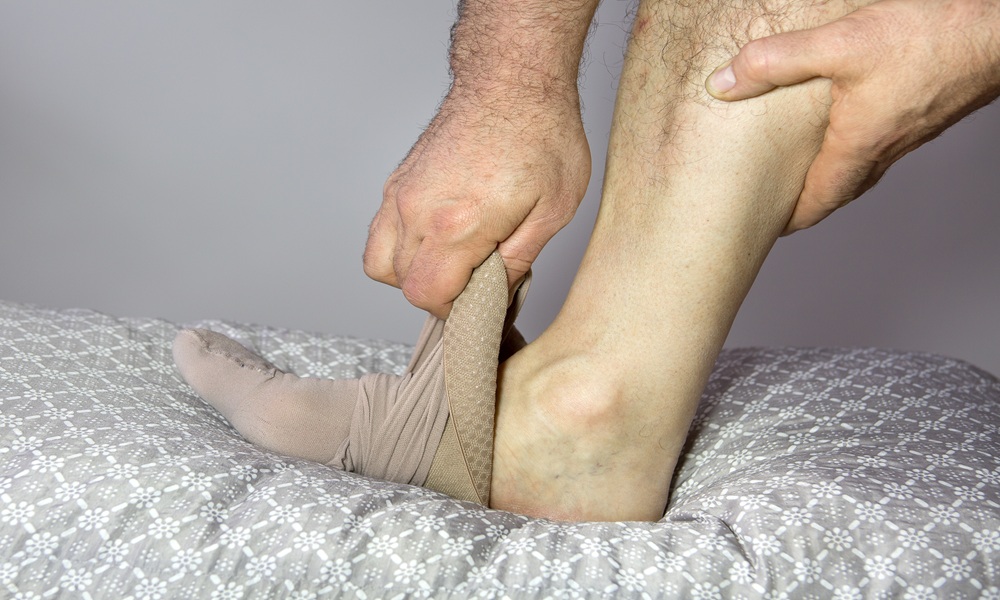
July heralded our report on how our scientists discovered a genetic condition that causes paralysis following mild infections. Doctors and genetic researchers at The University of Manchester discovered that changes in a gene leads to severe nerve damage in children following a mild bout of infection.
Data analysis by a University of Manchester psychologist, published in June, confirmed the suspicion that tennis players who take a bathroom break are likely to gain an advantage over their opponent.
In May we reported the worrying news that ex-service personnel with dementia may be slipping through gaps in support. from the University of Manchester and McMaster University highlighted the experiences of UK ex-Service personnel with dementia living in their own homes, and the barriers they have faced in accessing support.
In April, one of our most illustrious scientists made the STATUS list of top life science influencers. Professor Ruth Itzhaki, who’s pioneering research has advanced our understanding of what causes Alzheimer’s Disease (AD), made the prestigious for 2025.
In March we learned that face-to-face GP appointments linked to higher patient satisfaction. GPs who conduct their surgeries in the flesh are more likely to have satisfied patients according to a study by our researchers.
In February, we reported on how Governments lack effective policies on fungal disease. Some Governments lack effective policies to tackle the global fungal crisis responsible for the deaths of around 3.5 million people per year, according to an international team of experts.
A study revealed in January links between head injuries and viruses in Alzheimer's Disease. Researchers from Oxford’s Institute of Population Ageing and the University of Manchester, and Tufts University found that head injuries, such as those induced in sports and the military, may re-awaken dormant viruses in the brain, triggering the onset of conditions including Alzheimer’s Disease and dementia.