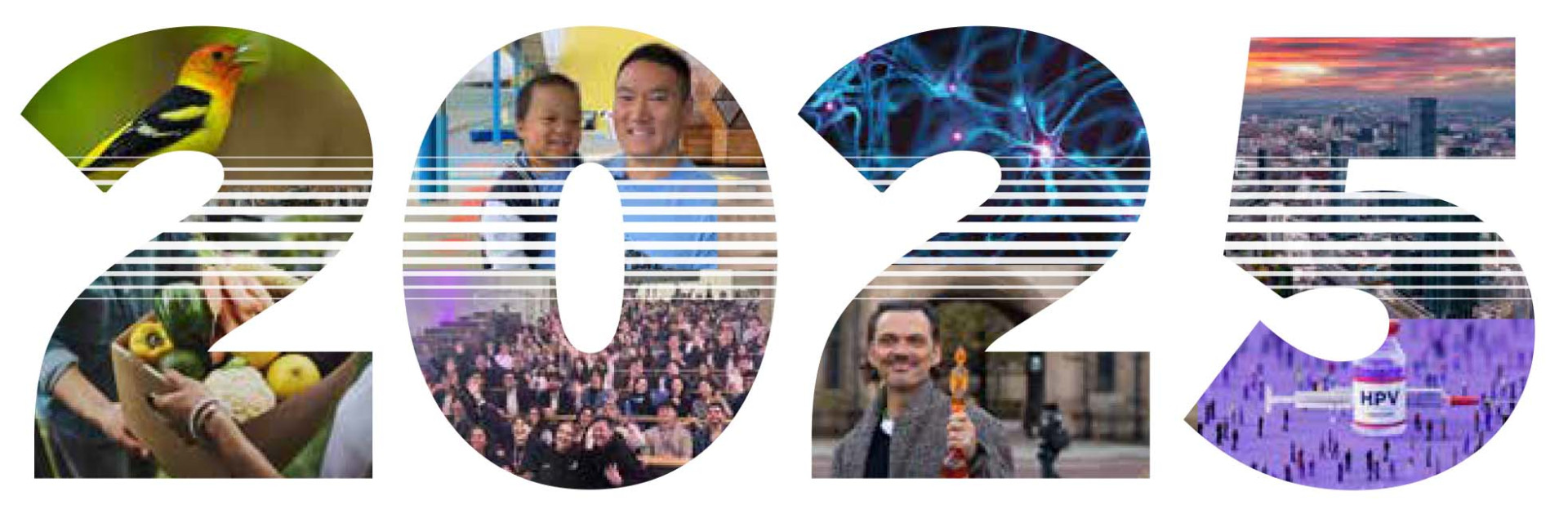
2025's news highlights from the Faculty of Humanities
2025 has been another great year for The University of Manchester's Faculty of Humanities, and has again seen some significant achievements and initiatives. Here are some of the key highlights:
January
The year started with research from Professor Jamie Woodward which revealed that England鈥檚 major water and sewage companies are misleading the public and Government by using strategies which mirror those of the tobacco and fossil fuel industries. His study uncovered widespread use of greenwashing and disinformation tactics by England鈥檚 nine major water and sewage companies, and was covered extensively in the national media.
January also saw the launch of a major new study to assess the impact of smartphones and social media on young people, and research which found that vast areas of the UK鈥檚 peatlands are under threat due to climate change. It also brought the news that The University of Manchester ranks in the top 50 globally for Social Sciences, Business Economics, Engineering, Arts & Humanities and Medical & Health.
February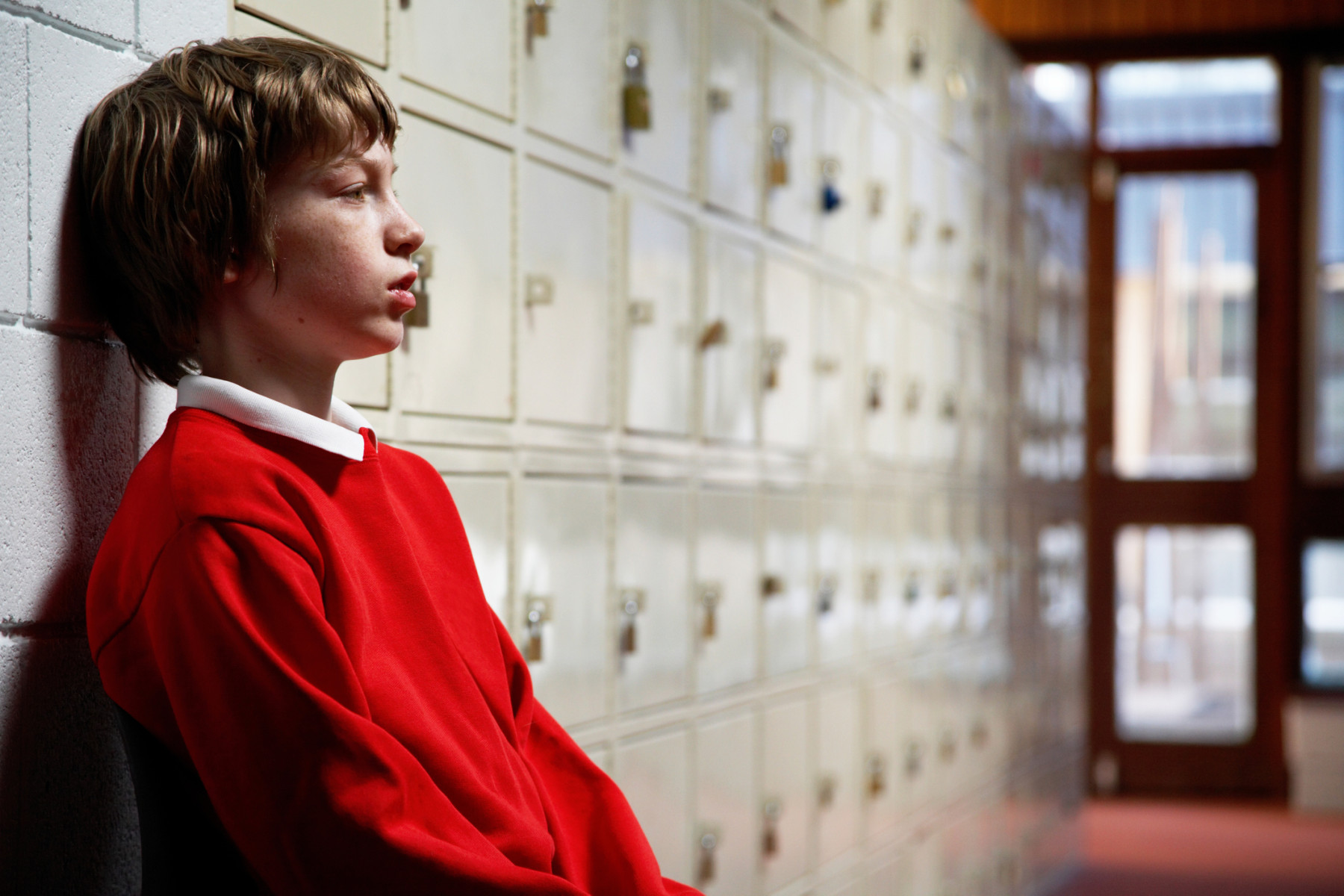
In February, one of the world鈥檚 largest school-based trials found that an intervention to help students normalise their everyday emotions is the 鈥榤ost promising鈥� of several approaches for supporting mental health in children and young people. The Education for Wellbeing trial involved 32,655 students in 513 English primary and secondary schools, testing five interventions.
Research launched in February also found that polling in Ukraine contradicted Donald Trump, who claimed that Volodymyr Zelensky鈥檚 approval rating stood at 4% - the study put his approval rating at 63%, making him the most popular politician in the country. This story received widespread media coverage.
March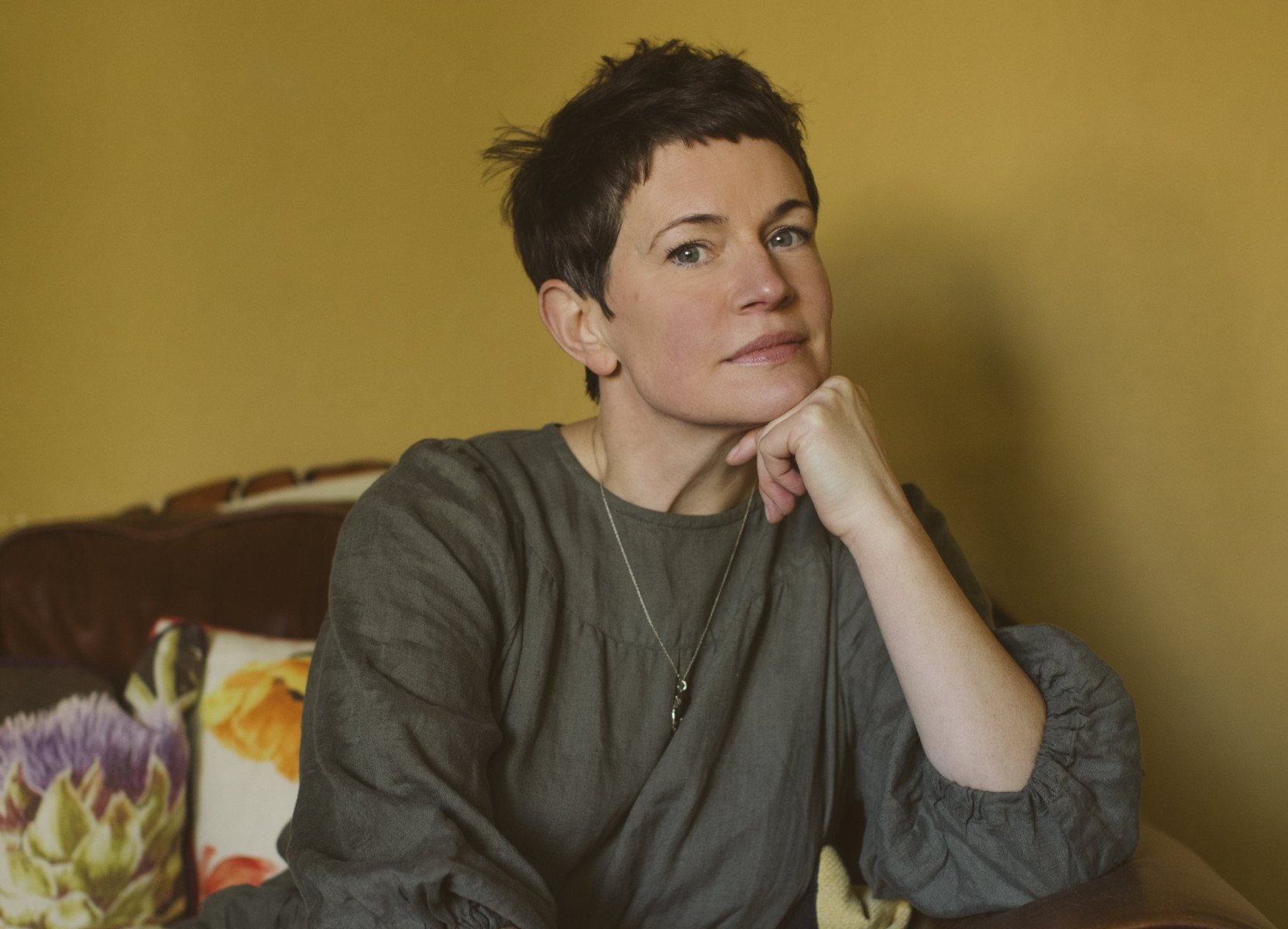
Internationally acclaimed novelist and short story writer Sarah Hall joined The University of Manchester in March as a Professor of Creative Writing. Sarah joined a prestigious teaching team at the University鈥檚 Centre for New Writing made up of novelists, poets, screenwriters, playwrights and non-fiction writers, including Jeanette Winterson, Ian McGuire, Jason Allen-Paisant, Beth Underdown, Horatio Clare, Tim Price and John McAuliffe.
Also during this month, experts called on the government to make urgent changes to the UK鈥檚 bus network in an appearance at a Transport Select Committee inquiry. The group 鈥� including Professor Karen Lucas, Head of the Transport and Mobilities Group at The University of Manchester 鈥� spoke about the detrimental impact of poor bus connectivity and the need for immediate government action. A new research centre was also launched to promote socially just, people-centred sustainability transformations by collaborating with communities, governments and businesses to develop low-carbon living initiatives.
April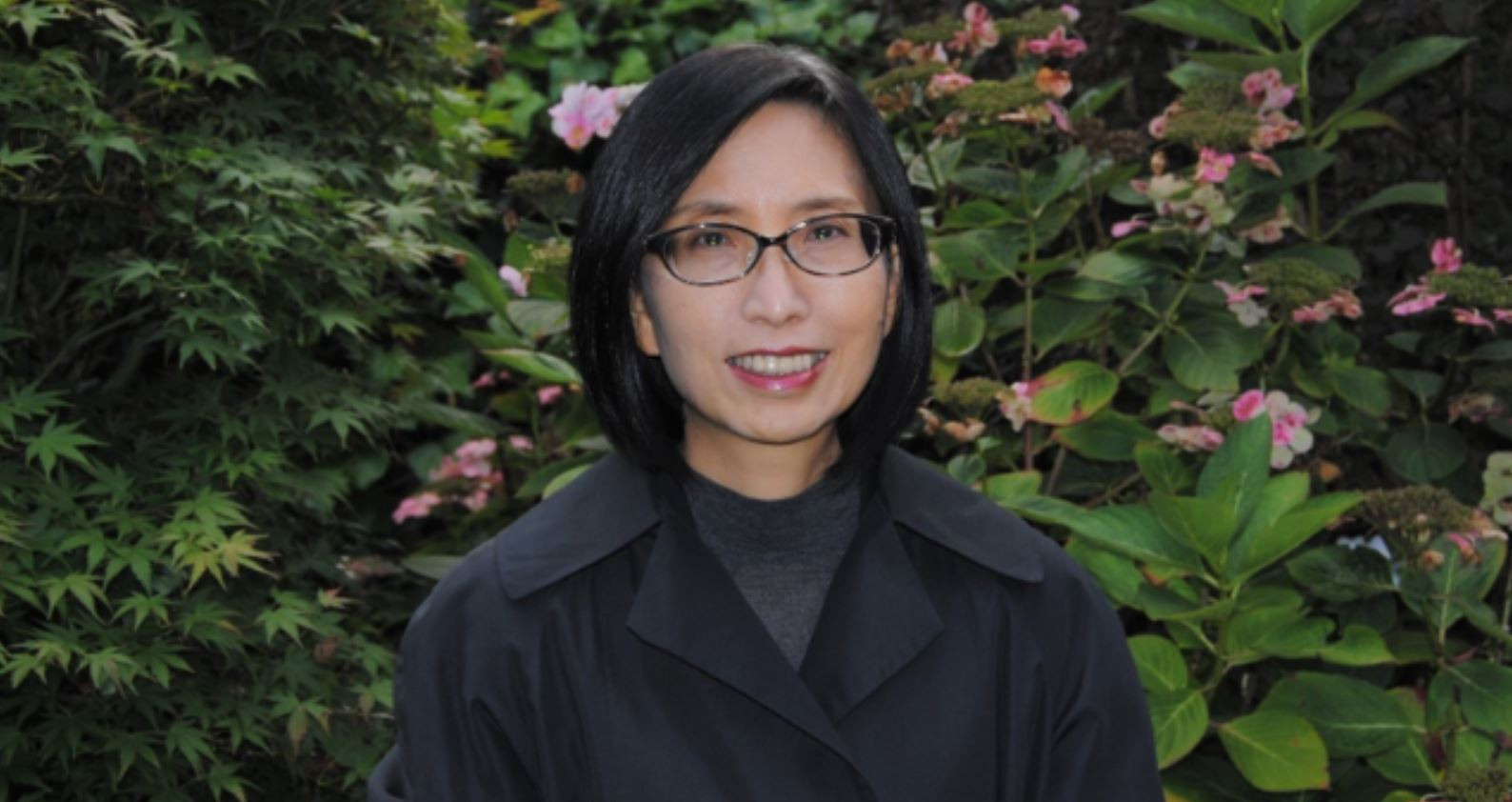
In April, The Economic and Social Research Council (ESRC) - the UK鈥檚 largest funder of economic, social, behavioural and human data science - appointed Manchester鈥檚 Professor Cecilia Wong as a member of its Council. Professor Wong brought a wealth of expertise and an exceptional track record to her role - her extensive research encompasses strategic spatial planning, policy monitoring & analysis, urban & regional development and housing & infrastructure planning. 鈥�
The month also saw the launch of a new report from , which has surveyed 130,000 young people since 2021, which highlighted the experiences of pupils in mainstream schools with Special Educational Needs (SEN). The study found that across a range of headline metrics 鈥� mental wellbeing, life satisfaction, self-esteem and emotional difficulties 鈥� young people with SEN experience worse outcomes.
May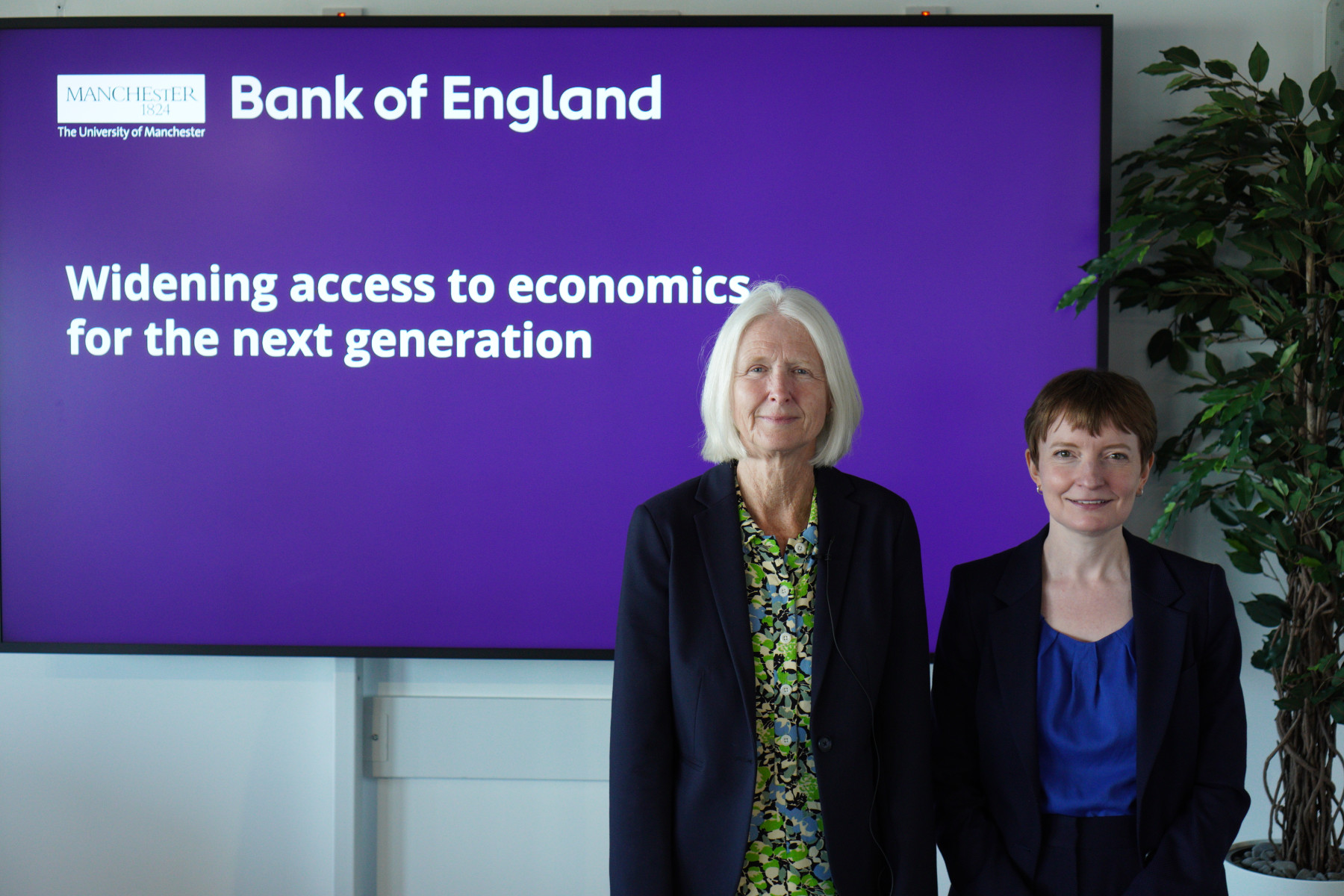
May saw the launch of a major new partnership with the Bank of England which will see existing teachers offered free training to deliver A Level economics alongside their core subject. The three-year programme, which will be piloted in the North West before eventually being rolled out across the UK, aims to make the subject more accessible to students from a wider range of backgrounds.
Also in May, the Government announced changes to the Winter Fuel Payment after being presented with research from The University of Manchester which found that their plans were going to leave many more older people in poverty, putting their health and wellbeing at risk. The month also saw Manchester being officially recognised as one of the UK鈥檚 new Policing Academic Centres of Excellence (PACE), as part of a national initiative to embed world-class research into frontline policing and community safety.
June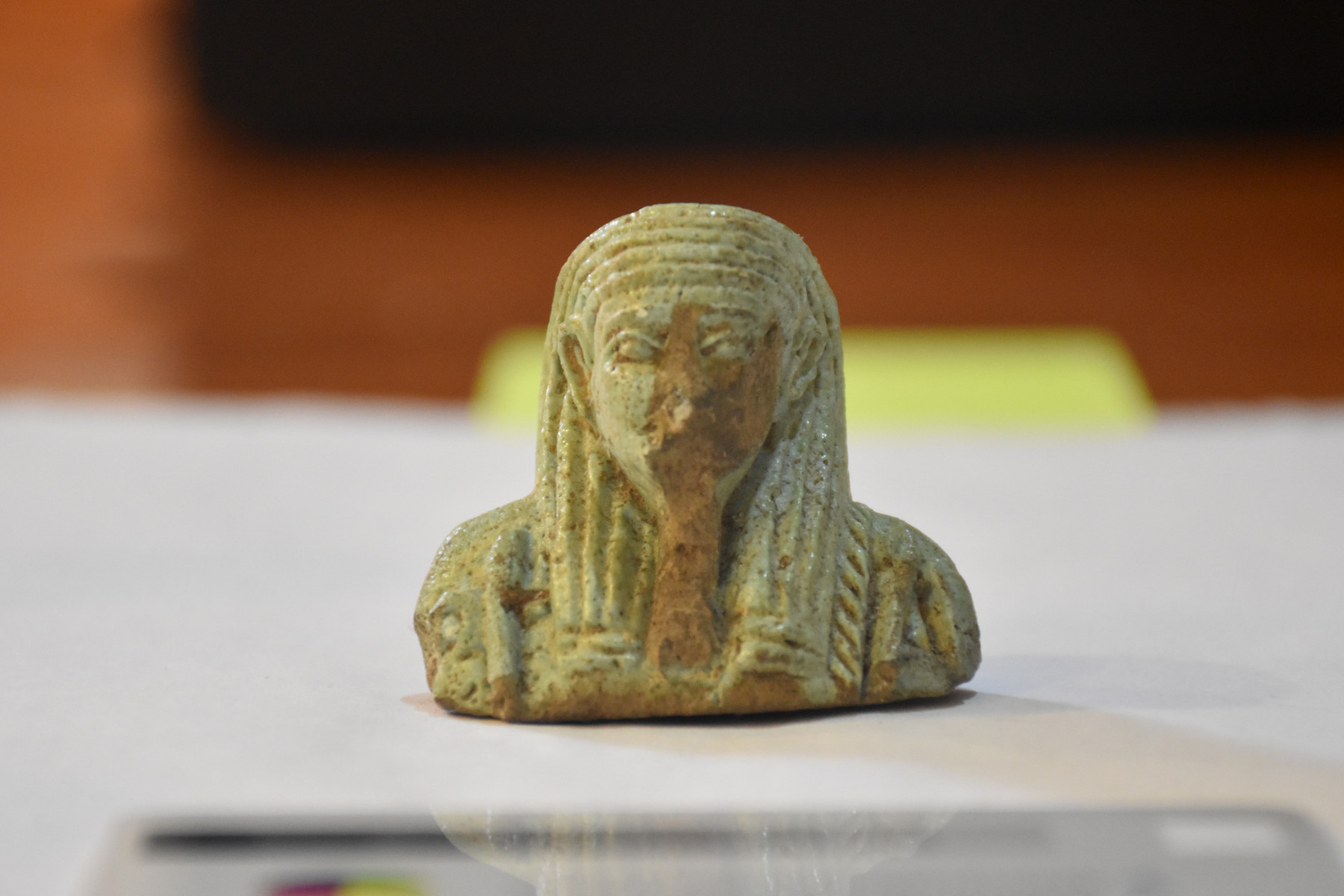
June brought two major archaeology stories - firstly, experts from Manchester played a leading role in the rediscovery of the ancient city of Imet in Egypt鈥檚 eastern Nile Delta, uncovering multi-storey dwellings, granaries and a ceremonial road tied to the worship of the cobra goddess Wadjet. This story received widespread coverage. The month brought news of a new project to explore the discovery of Wales鈥� first complete ancient chariot.
The same month also saw the launch of two reports into children's mental health - one found that while teens from disadvantaged neighbourhoods do face lower life satisfaction, they don't actually face more emotional problems. The other found that physical activity is critical for children's happiness.
July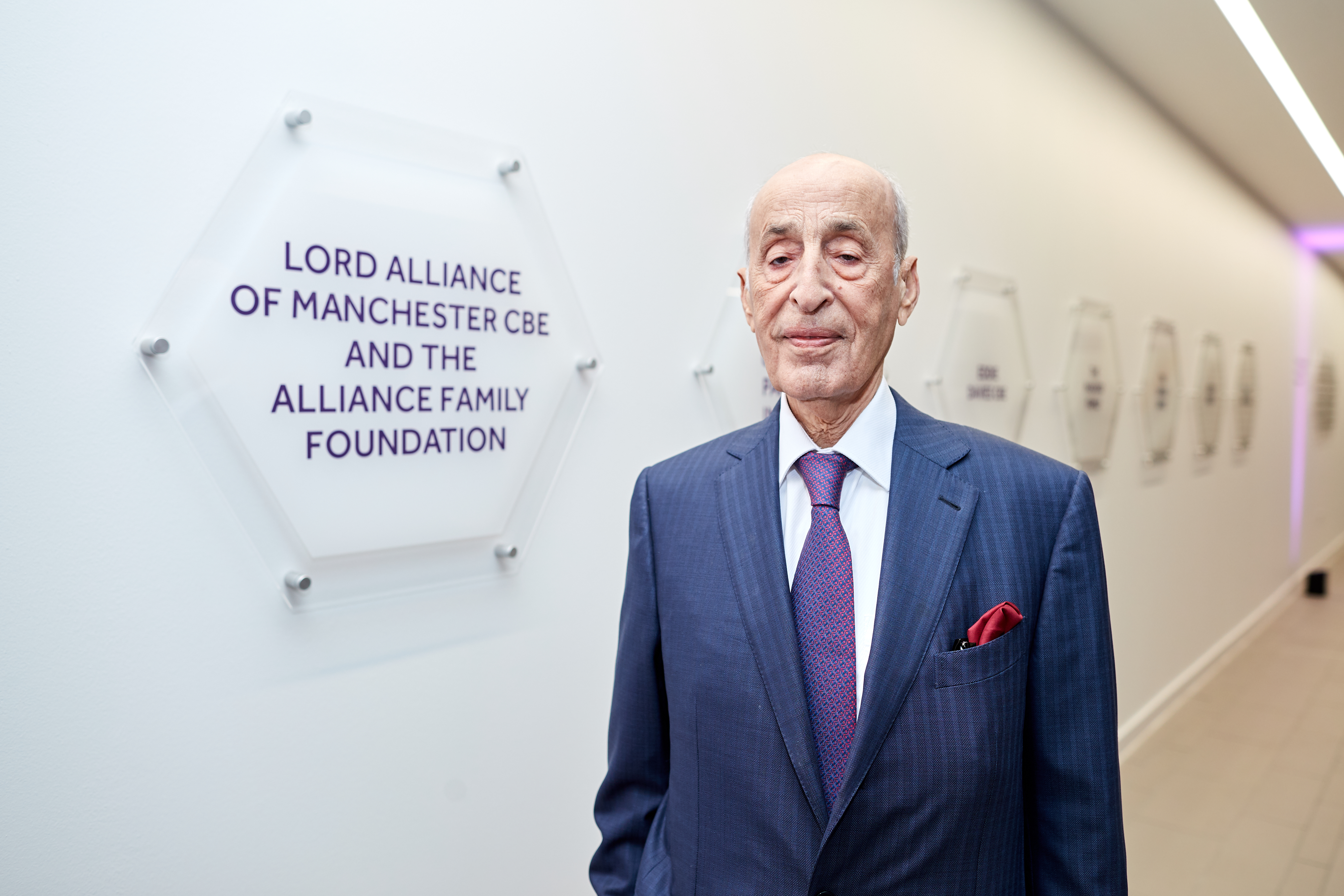
July brought the extremely sad news that Lord David Alliance CBE had passed away. Lord Alliance鈥檚 belief in the power of philanthropy, education and research to drive positive change inspired generations of students, staff, alumni and partners. The renaming of Manchester Business School to Alliance Manchester Business School in 2015 stands as a testament to Lord Alliance鈥檚 transformative impact and support for The University of Manchester and its students over many years.
The month also saw Alliance Manchester Business School's Professor Timothy Michael Devinney being elected as a Fellow of the British Academy, the UK鈥檚 leading national body for the humanities and social sciences.
Also during this month, several Humanities academics were leading policy conversations about major issues - including Professor Jamie Woodward who spoke at Westminster about the impact of microplastic pollution on our environment, and Professor Pamela Qualter who co-authored a World Health Organization (WHO) report calling for urgent action to tackle loneliness and social disconnection around the world.
August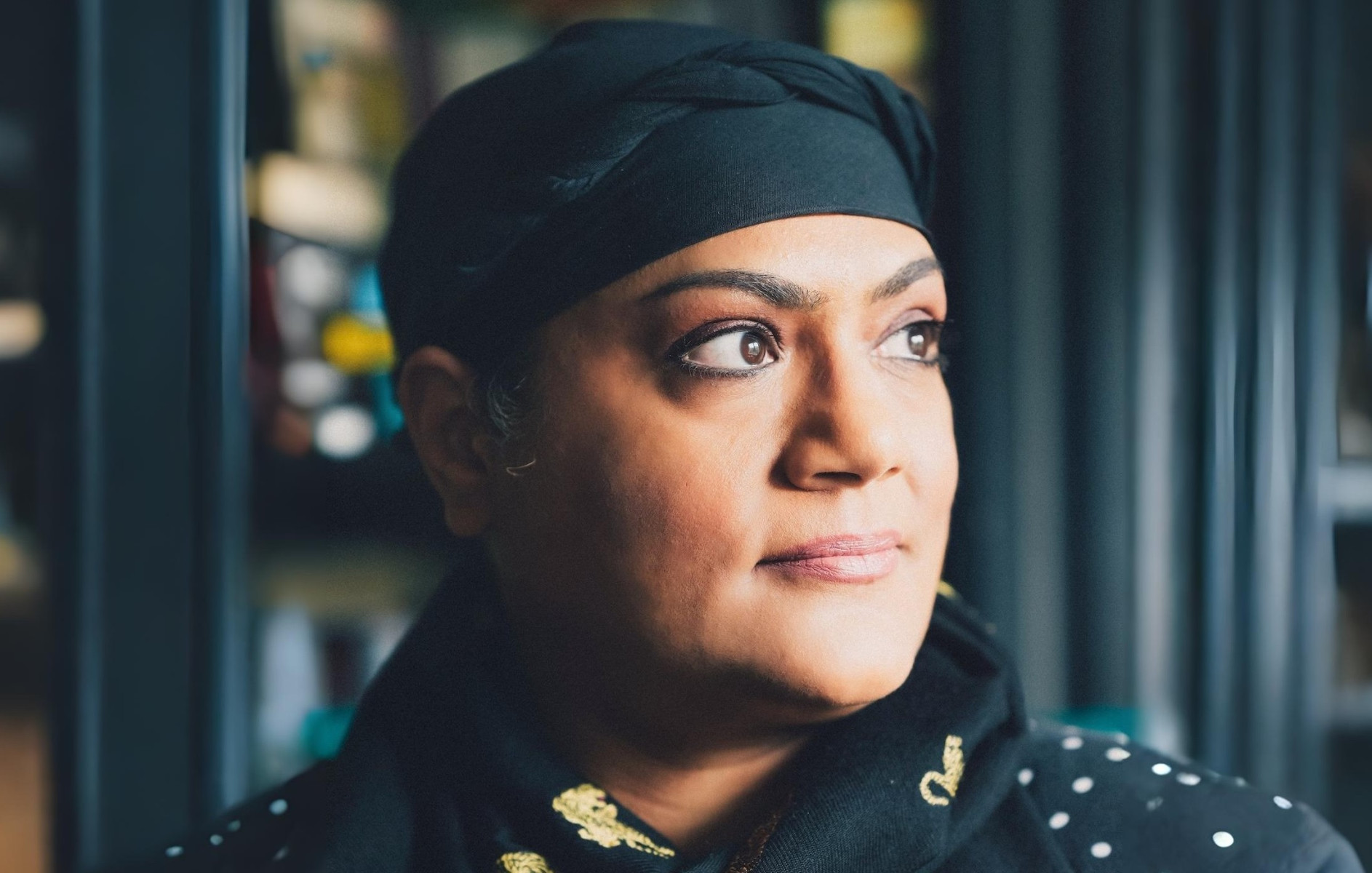
During August, an historian from The University of Manchester was named as one of six authors shortlisted for the 2025 Royal Society Trivedi Science Book Prize, which celebrates the best popular science writing from across the globe. Vanished: An Unnatural History of Extinction by Professor Sadiah Qureshi was named as one of the finalists at the Edinburgh International Book Festival.
Two leading criminologists from The University of Manchester also joined a groundbreaking national research project designed to tackle fraud in the NHS, which costs the UK taxpayer an estimated 拢1.3 billion each year.
There was also media interest in a study which found that a single sheet of 1,100-year-old parchment may have been used to heal a dangerous royal rift in Ancient England.
September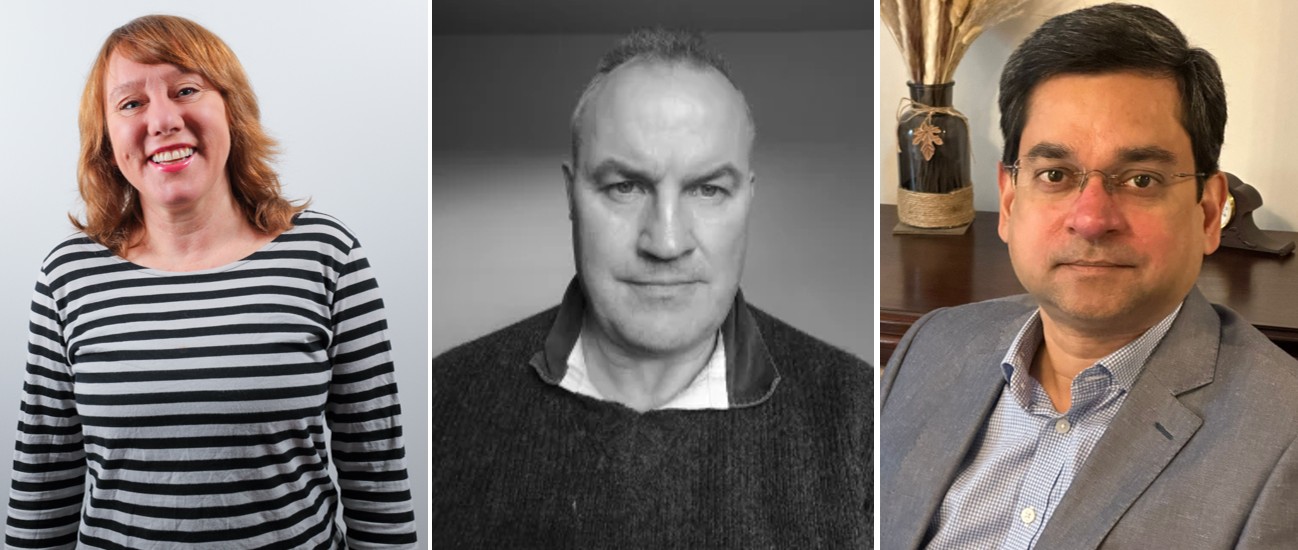
The start of the new academic year was marked by the appointment of three academics from The University of Manchester as Fellows of the Academy of Social Sciences. Professor Liz Richardson, Professor David Richards and Professor Anupam Nanda were named in recognition of their excellence and impact, and their advancement of social sciences for the public good.
The month also saw The University of Manchester being appointed as the UN's Academic Impact Vice-Chair for SDG10 research, meaning the University will play an essential role in advancing the implementation of the UN's 2030 Agenda for Sustainable Development.
Some major research was also launched in August which found that 鈥�Levelling Up鈥� left many southern areas behind, a mentoring programme was giving a big mental health boost to LGBTQIA+ teens, and cities needing to do more to support older people who want to stay in their own homes as they age.
October
October saw three major pieces of research into schools - studies were published into school isolation rooms damaging pupil wellbeing, a third of new teachers quitting within five years of qualifying and the discovery of a significant and lasting link between the subjects young people study in school and their political preferences.
Also during October, a study was launched by Dr Louise Thompson which found that outdated rules in the House of Commons shut smaller parties out of key decisions, leaving millions of voters effectively unheard. This led to several of those parties - including the SNP, Plaid Cymru and Reform - raising the issue, as well as media coverage across the UK.
November
The University鈥檚 Professor Hilary Pilkington was one of the authors of the final report of the Independent Commission on Counter-Terrorism Law, Policy and Practice, which in November called for a comprehensive overhaul of the UK's counter-terrorism policies. This received widespread media coverage across the country.
The University also launched new research as part of the N8 Child of the North campaign in November, which found that the post-Covid school attendance crisis is hitting disadvantaged children hardest - the story led to regional and national media coverage.
The month also saw studies into Buddhism in mental health care, stronger communities being linked to better health, and the rise of 鈥�authoritarian peacemaking鈥� and its implications for Ukraine.
December
The final month of the year saw the launch of a major new collaboration with the University of Oxford which will bring together an expert team of textual scholars, book historians, computer scientists, library data experts and research software engineers to explore whether computers 鈥榮ee鈥� books and prints the same way as people do, and asks whether the AI algorithm can be made to see in the same way as humans.
A major global study led by Dr Francesco Rampazzo also found that younger generations around the world are embracing a more diverse and fluid understanding of sexual identity than ever before. The research - which analysed data from over 900,000 users of the queer women鈥檚 and nonbinary dating app Zoe - offered one of the first truly global pictures of how people identify their sexuality in 122 countries, from the UK and the US to Brazil, South Africa and Taiwan.
These stories reflect the Faculty's commitment to addressing global challenges through its research, education and social responsibility.