AI-powered ‘self-driving’ labs accelerating chemical process innovation
A Manchester team has built an AI-powered ‘self-driving’ lab that speeds up chemical innovation. Their system promises to save time, cut waste and help industry create greener, smarter products – accelerating the future of sustainable manufacturing.
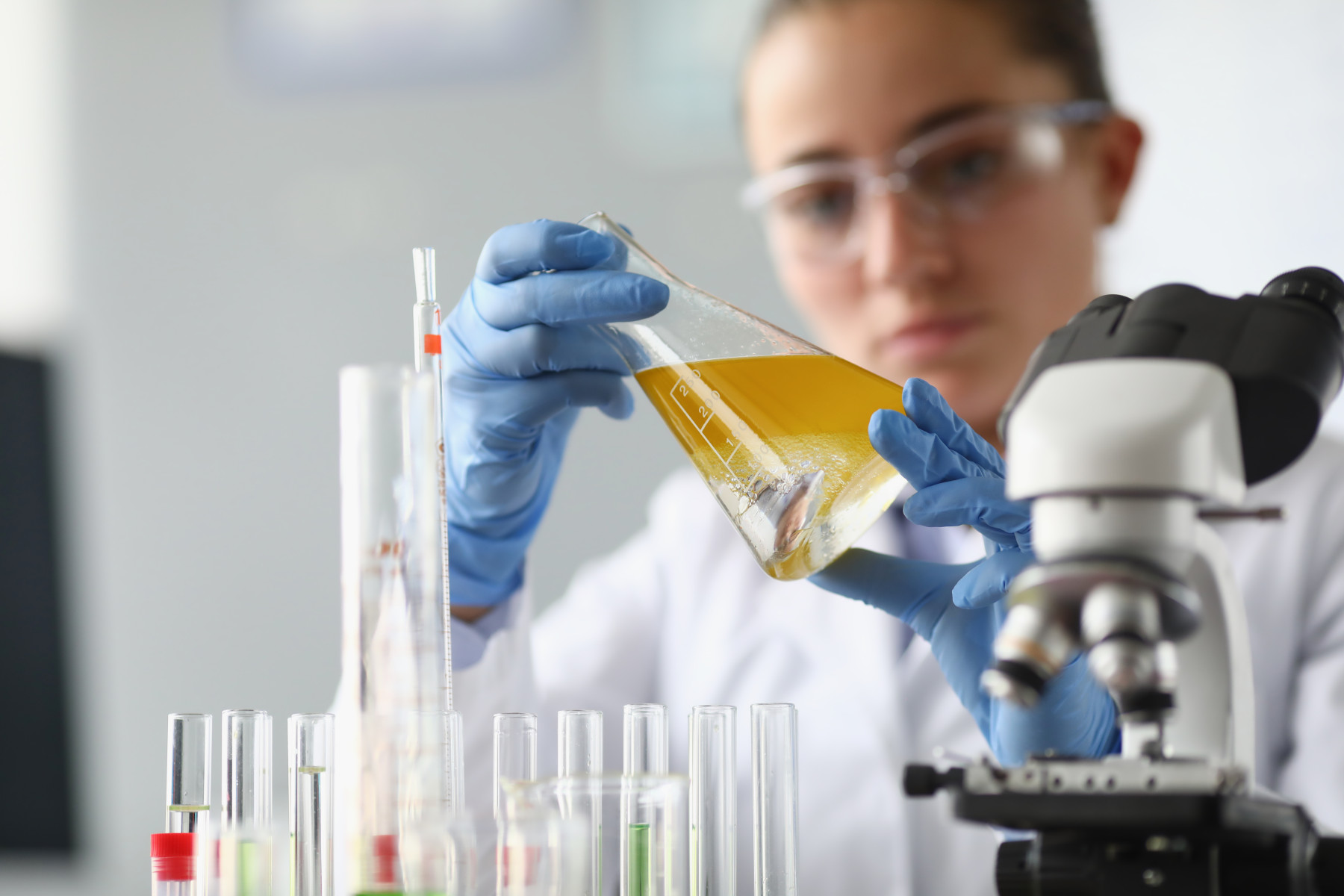
From everyday items in our homes, to the medicines that support many of us, chemical products underpin modern life. But the processes that discover and scale-up development of these products are often slow, resource-intensive and reliant on a lot of trial-and-error.
Now, researchers at The University of Manchester working with Unilever, have created an AI-powered ‘self-driving’ laboratory that promises to change the way chemical innovation happens.
Their new system uses physics-guided AI and is designed to learn efficiently by choosing only the most valuable experiments, cutting down the number of tests needed to reach reliable results. Instead of endlessly tweaking variables in the lab, it learns from every outcome, refining its models to predict what will work best next.
This not only saves time and resources but delivers deeper insights into the underlying science. The resulting chemical processes can be developed faster, scaled more efficiently and designed with sustainability in mind – from cleaner consumer goods to greener manufacturing systems.
As project lead Dr Dongda Zhang explains: “By advancing AI-powered self-driving labs, we help our industrial partners enhance digital maturity, embrace culture change and accelerate sustainable innovation – driving smarter, faster and cleaner manufacturing that benefits both industry and society.�
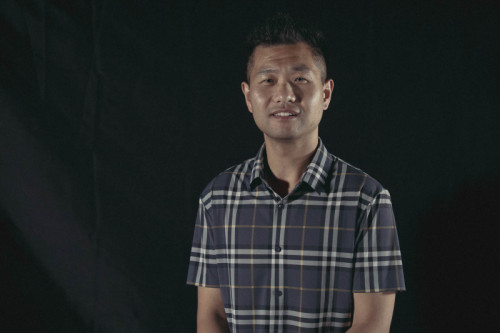
Meet the researchers
Dr Dongda Zhang is a Lecturer in Chemical Engineering at The University of Manchester. His work focuses on using AI and data-driven tools to transform how chemical and biochemical processes are designed and scaled, helping industry innovate more efficiently and sustainably. He also collaborates widely with partners across academia and industry to drive advances in digital chemical engineering. He is a Royal Academy of Engineering Industrial Fellow in Digital Manufacturing.